II. Fusion (1969-1990)
|

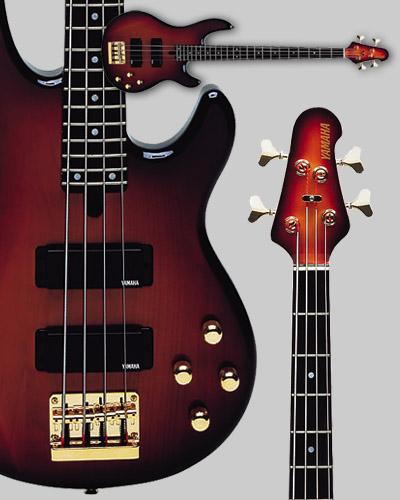
electric bass

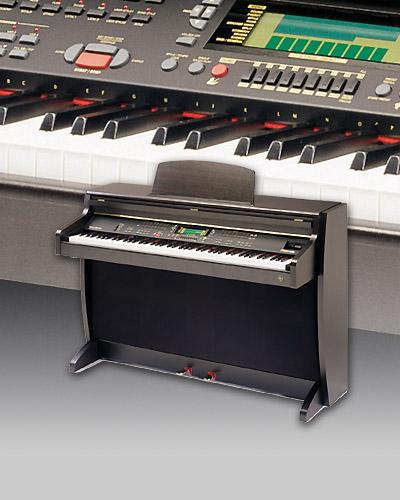
electric piano

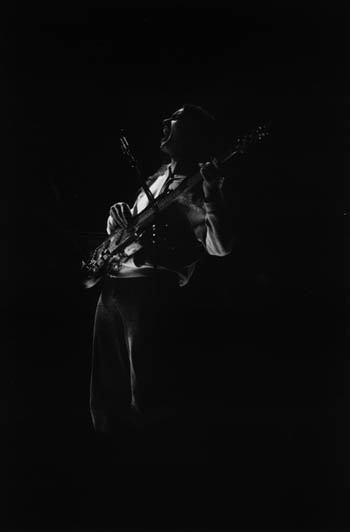
Jaco Pastorius

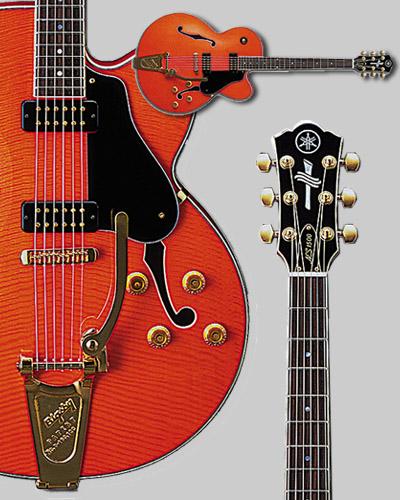
electric guitar
|
A. Jazz musicians fuse jazz and rock
|
|
1. |
as a result of the rapid maturation of rock through the Beatles, the Rolling Stones, Bob Dylan, and others in the 1960s, jazz and rock were ripe for a merger
|
|
|
2. |
fusion experienced jazz musicians experimenting with electronic instruments (e.g., electric guitars, electric basses, electronic keyboard synthesizers, etc.), rock rhythms, long vamps, and rock riffs
|
|
|
3. |
fusion basically fused the sophistication and virtuosity of jazz with the raw power and emotion of rock
|
|
B. Reaction to Free Jazz
|
|
1. |
many jazz musicians resented the “art-for-art’s-sake” attitude of Free Jazz players, accusing them of alienating jazz audiences with music that was relevant only to a special few
|
|
|
2. |
Fusion appealed to a broader spectrum of tastes, bringing to jazz a popularity not witnessed since the Swing era
|
|
|
3. |
generally speaking, Free Jazz ignored its audience (“art-for-art’s-sake); Fusion strived to reach and affect its audience
|
|
|
4. |
Free jazz was “cerebral;” Fusion, borrowing from rock’s raw energy, was also “physical”
|
|
|
5. |
Free jazz was acoustic, Fusion was electric
|
|
|
6. |
Miles Davis’ Bitches Brew was the landmark album that launched Fusion
|
|
C. Performance Practices
|
|
1. |
the size and instrumentation of Fusion groups varied, combining jazz and rock instruments; group size and instrumentation would often change from composition to composition
|
|
|
a. |
jazz instruments: trumpet, saxophone, acoustic (upright) bass
|
|
|
b. |
rock instruments: electric guitar, electric bass, electronic keyboard synthesizers
|
|
|
2. |
Fusion groups often employed multiple electronic keyboard players and percussionists (playing a wide variety of percussion instruments, e.g., congas, bongos, shakers, cymbals, etc.)
|
|
|
3. |
Fusion groups utilized amplification, synthesizers, reverb, distortion effects, and other electronic devices
|
|
|
4. |
Fusion groups were characterized by collective improvisation, high energy, heavy drama, extended (long) compositions/performances
|
|
|
5. |
Fusion repertoire consisted of almost exclusively original material (written specifically for/by the particular group recording/performing it)
|
|
D. Important figures
|
|
|
|
|
|
|
|
|
|
|
|
|
|
|
E. Listening Examples
|
|
"Birdland," Weather Report (IHJ), and/or "The Spin," Yellow Jackets (IHJ), and/or "Chameleon," Herbie Hancock (JIA)11 |
|
Audio Snippets
|
|
|
F. Besides rock
|
|
Fusion combined jazz with musical elements from such styles as funk,soul, and especially, Latin music; play Salsa Caliente, Tito Puente (JIA) |
|
Audio Snippets
|
|
|
G. Smooth Jazz (1970-today)
|
|
|
|
1. |
a simpler, more “listenable” commercial style of jazz
|
|
|
2. |
fuses jazz with pop, blues, rhythm and blues, soul, funk, rock, Latin, and gospel music
|
|
|
3. |
main focus: to sell recordings
|
|
|
4. |
jazz musicians “crossing over” into the pop field is nothing new (e.g., Louis Armstrong was a huge commercial and pop music success)
|
|
|
5. |
while many jazz purists object to Smooth Jazz (aka Pop/Contemporary Jazz) even being called jazz, the philosophy of jazz has usually been one of inclusiveness, not exclusivity (jazz has torn down barriers, not put them up)
|
|
|
6. |
many Smooth Jazz artists are often excellent straight-ahead jazz (i.e., Hard Bop) players as well, performing and recording “smooth jazz’ to supplement their income (e.g., George Benson is one of the greatest straight ahead jazz guitarists of all time)
|
|
|
7. |
while less sophisticated than Hard Bop, Free Jazz, or Fusion, Smooth Jazz is filled with a fresh light rhythmic buoyancy, offering “feel good” emotional content to its listener (music does not have to be sophisticated to be good)
|
|
|
|
|
|
|
|
|
|
|
|
|
|
|
|
|
9. |
play "Morning Dance," Spyro Gyra (IHJ), and/or "Breezin’," George Benson (IHJ), and/or "Mountain Dance," Dave Grusin (IHJ), and/or "Mister Magic," Grover Washington (IHJ), and/or "Change of Heart," David Sanborn (JIA)12
|
|
|
10. |
inform students that if anyone happens to own a favorite jazz recording that they would like to share with the class, he/she should bring it to the final session
|
|
Audio Snippets
|
|
|
H. CTI Records
|
|
CTI (Creed Taylor Incorporated) was
a highly influential
jazz record label founded in 1967 by legendary producer Creed Taylor. The CTI recordings comprise the evolutionary bridge that
directly connects the fiery complexity of the initial Jazz Fusion recordings to the
radio-friendly polish of Smooth Jazz. CTI dominated jazz in the 1970s by pairing elite, straight-ahead jazz
virtuosic players with lush orchestral arrangements, crisp pop production
sensibilities, and infectious R&B/funk rhythms. Rather than taking a side, CTI carved out a highly
successful third lane by blending the best elements of both worlds. |
|
|
1. |
The Musical Approach: Sophisticated But Accessible
|
|
|
a. |
Unlike the initial jazz fusion recordings, CTI avoided the jarring,
aggressive distortion of electric guitars and chaotic time signatures. Instead,
they kept a steady, foot-tapping pocket driven by premium Fender Rhodes
electric piano textures and tight, soul-jazz grooves.
|
|
|
b. |
Unlike Kenny G, the musicianship remained incredibly deep. CTI wasn't stripping away jazz vocabulary. Instead, jazz artists like Freddie Hubbard, Stanley Turrentine, Milt Jackson, and Ron Carter played sophisticated, authentic hard bop over accessible, funky rhythms.
|
|
|
2. |
The Production Style: Audiophile Polish
|
|
|
a. |
The Van Gelder Sound – Virtually all classic CTI albums were
engineered by Rudy Van Gelder. This gave the records an immaculate,
high-fidelity warmth that set the baseline for modern instrumental music
production.
|
|
|
b. |
The Signature String Overlays – Creed Taylor routinely hired
master arrangers like Don Sebesky and Bob James to overlay taste-forward
classical brass and string sections on top of jazz improvisations. This lush,
cinematic formatting predated the atmospheric backing tracks used in Smooth Jazz.
|
|
Video Clips
|
|
|






 Video explanation